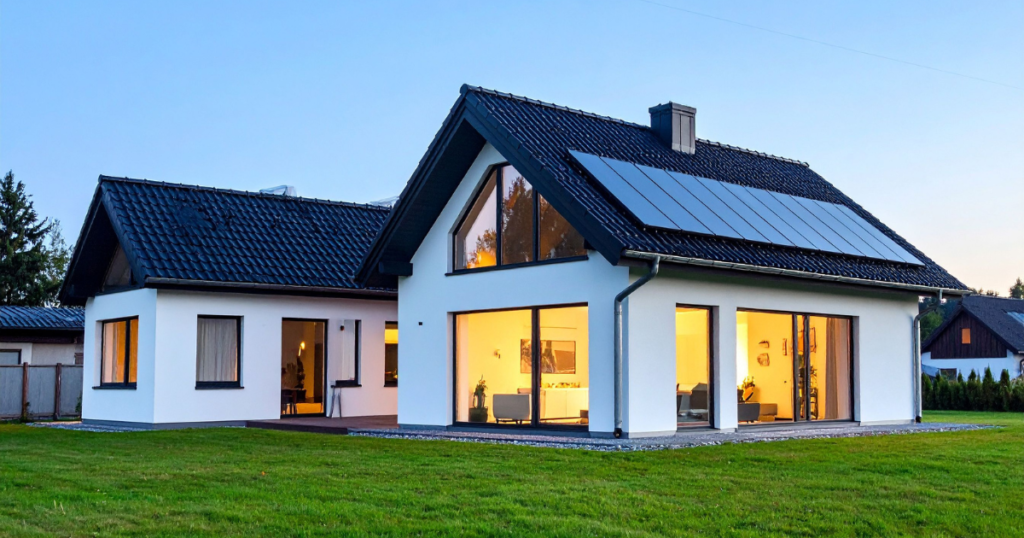
Solar panels can create a sheltered space between the panel and the roof. When birds begin using that space for roosting or nesting, homeowners may notice repeated roof activity, droppings below the gutter line, nesting material or noise near sunrise and sunset.
Bird control on the Surf Coast needs a careful approach. Some introduced birds can be managed differently from native wildlife, and active nests, eggs or young can change what work is lawful and humane. The first step is therefore identification and assessment, not immediate sealing.
Signs birds may be using the roof
Regular flight to the same section of roof is one of the clearest clues. Other signs include feathers and nesting material near gutters, droppings on paving or walls, calls from beneath panels and debris appearing after windy weather.
Do not climb onto the roof to confirm activity. Solar arrays introduce electrical and fall hazards, and a close approach can distress birds or damage equipment. Ground-level observation and a professional inspection are safer.
Why the issue should be assessed early
Bird activity can create persistent noise and mess. Nesting material may collect around roof or drainage components, and droppings can affect the appearance of roofing, solar panels and areas below. Repeated access can also reveal an existing roof gap that other animals may use.
Early assessment gives the owner more options. Once an active nest is established, work may need to be delayed or modified to protect wildlife. Timing matters as much as the physical proofing.
Native birds are protected in Victoria
Victorian Government guidance states that wildlife is protected and that it is illegal to disturb or destroy wildlife without the appropriate authorisation, licence or exemption. A bird should not be harmed, trapped or displaced simply because it is inconvenient.
Species identification is essential. A lawful plan may involve deterrence, access exclusion or referral to an appropriately authorised wildlife professional. If there are injured birds or dependent young, a wildlife rescue or veterinarian may also need to be involved.
What professional bird proofing aims to do
Where exclusion is lawful and the space is clear, purpose-designed barriers can prevent birds from re-entering the gap beneath panels. Materials should be durable, compatible with the roof and solar system, and installed without restricting drainage or damaging cables.
The wider roof should also be checked for displaced tiles, damaged vents or openings at eaves. Proofing one section while leaving another route available may simply move the activity.
Avoid quick fixes that create new problems
Loose netting, improvised spikes and poorly attached mesh can harm wildlife, damage the roof or fail in coastal weather. Sealing an occupied space can trap adults or young. Noise devices and visual deterrents may also lose effectiveness if birds become accustomed to them.
A premium service explains what has been identified, whether the timing is appropriate and how the proposed material will interact with the roof and solar array. It should never promise an unlawful removal of protected wildlife.
Frequently asked questions
Can birds be excluded while they are nesting?
Not automatically. Active nests, eggs, young and species protection must be considered. An assessment can determine whether work should proceed, be modified or be delayed.
Will proofing affect the solar panels?
Correctly selected and installed proofing should avoid interfering with the system, drainage and roof. The installer should explain the method and whether coordination with a solar technician is advisable.
Arrange a discreet roof assessment
If you have noticed bird activity beneath solar panels or around your roof, contact Private Pest Control for a private assessment. The team can inspect the property, explain the lawful next steps and recommend appropriate exclusion or specialist referral.